“A unique, historic setting in Halle to show art to the public.”
Historic beer cellar
Historic beer cellar


About us
Discover the charm of our historic bodega for your private parties and cultural events in Halle, Belgium. We offer a unique experience in an atmospheric setting. Enjoy delicious drinks, snacks and good company. Ready to taste history?
-
Tastings
Bring your own catering and enjoy our unique cellar without a care. We take care of the atmosphere, you take care of the food.
-
Events
Keep an eye on our calendar for live music, themed evenings, baby showers, student parties, birthdays, product placements, funeral receptions,...
-
Cosy atmosphere
Jonker 1674 for a cosy and relaxed atmosphere where everyone feels welcome in a 19th-century estaminet.

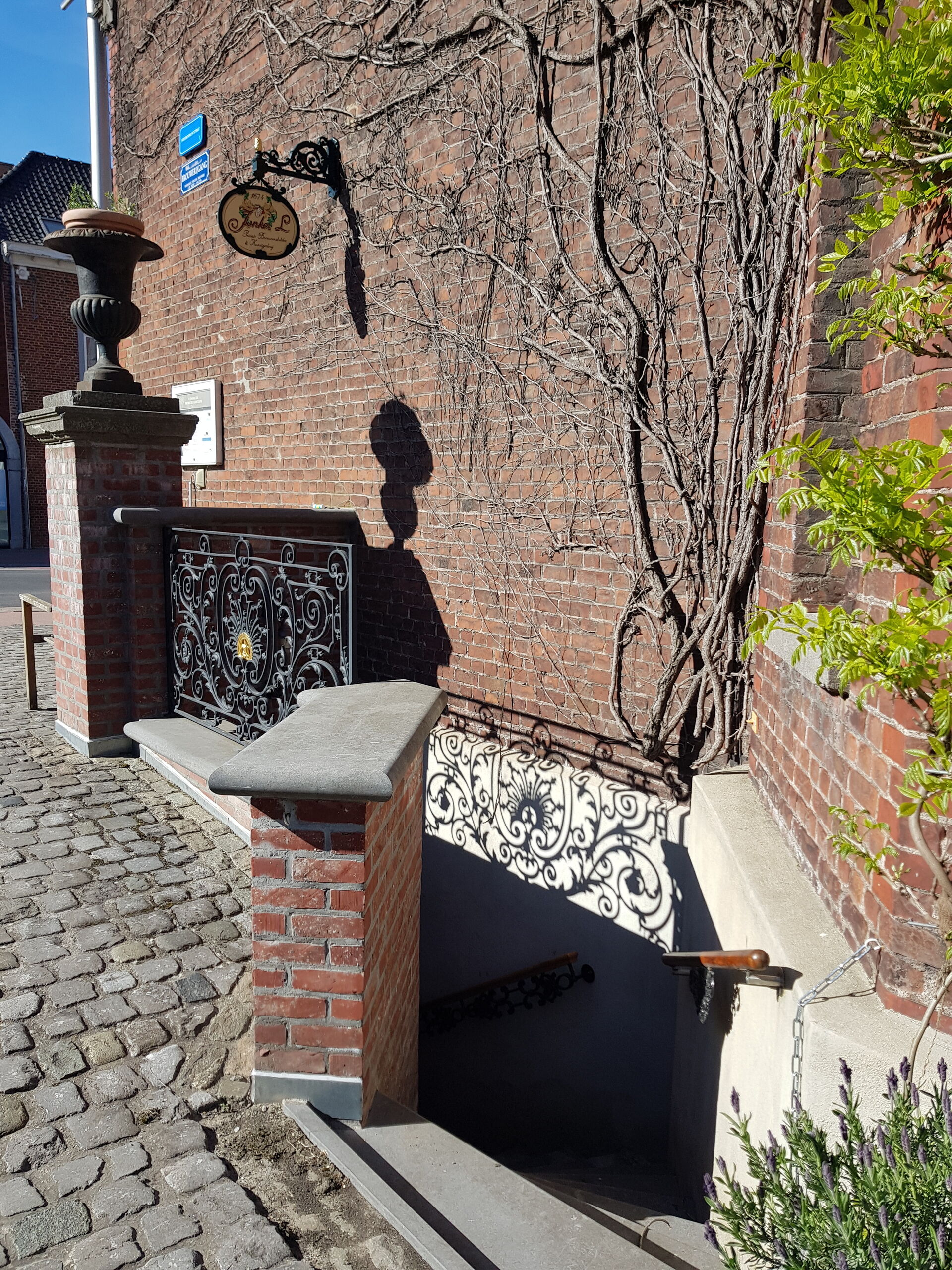
The cellar
A storage place for the brew with an underground passage to the neighbouring brewery, which was demolished in the early 1970s by Colruyt to make way for a new operating site for their smaller Lembeek business in colonial goods. The interior of the townhouse still contains many artistic ornaments that refer to its former occupant.


A piece of history
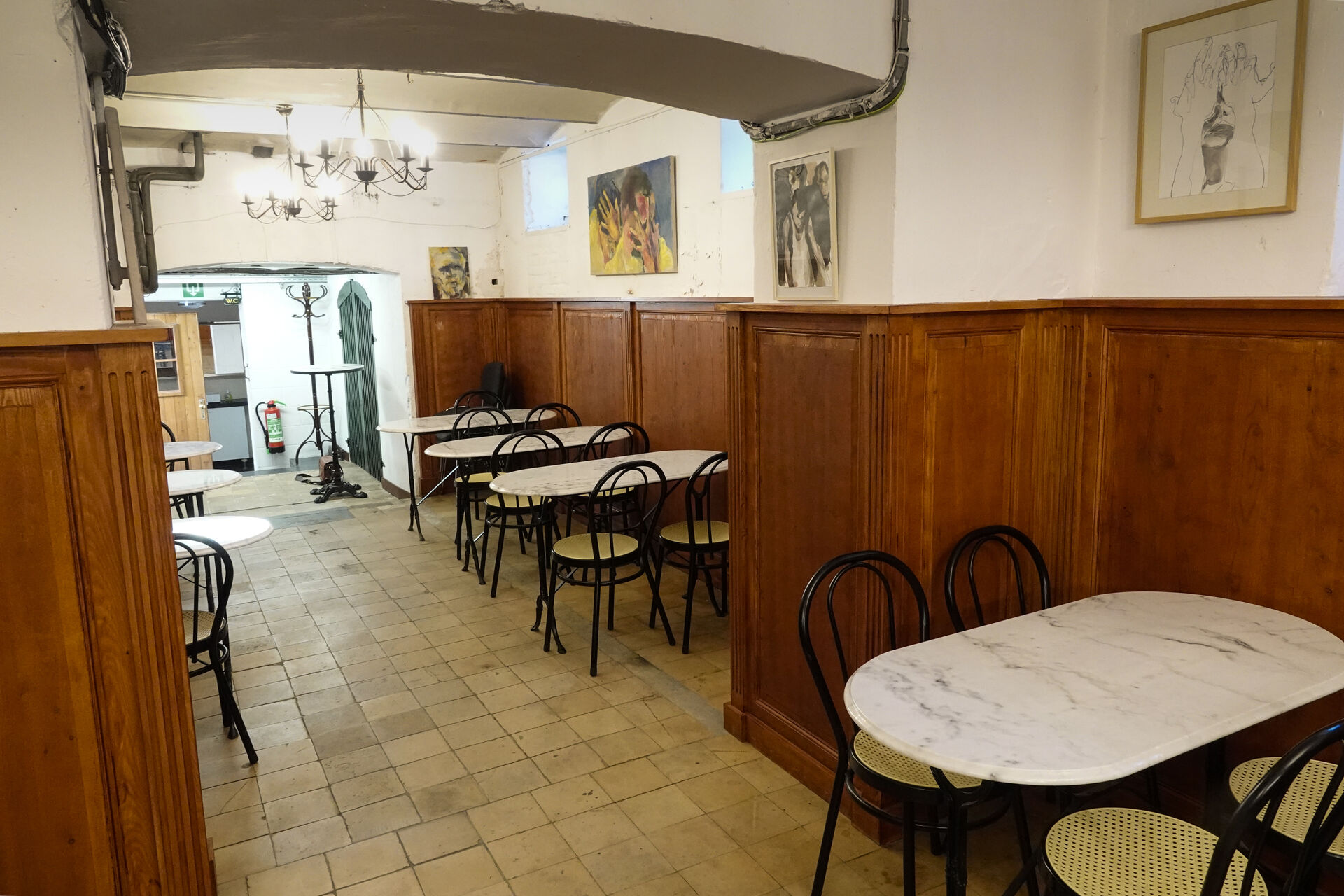
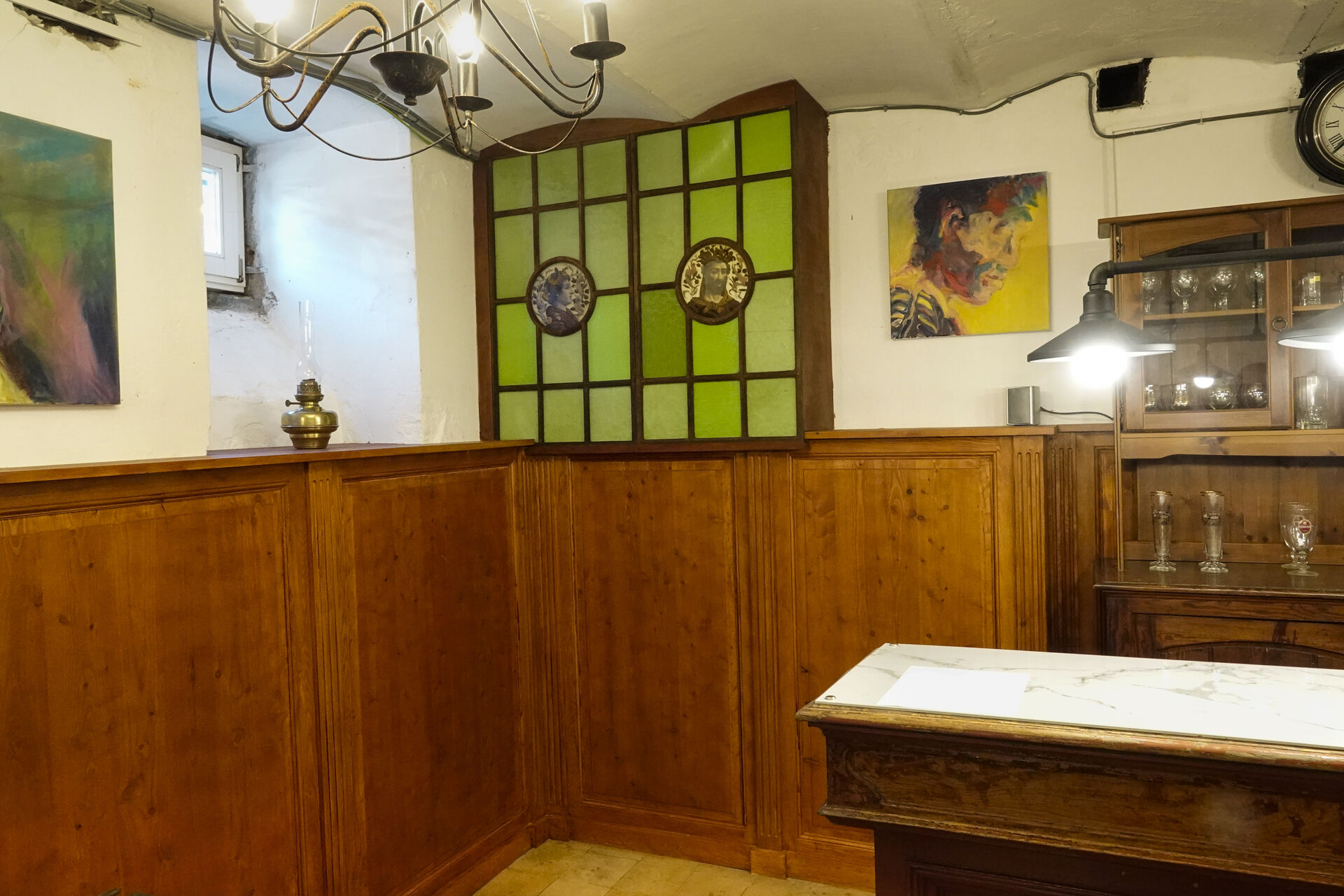
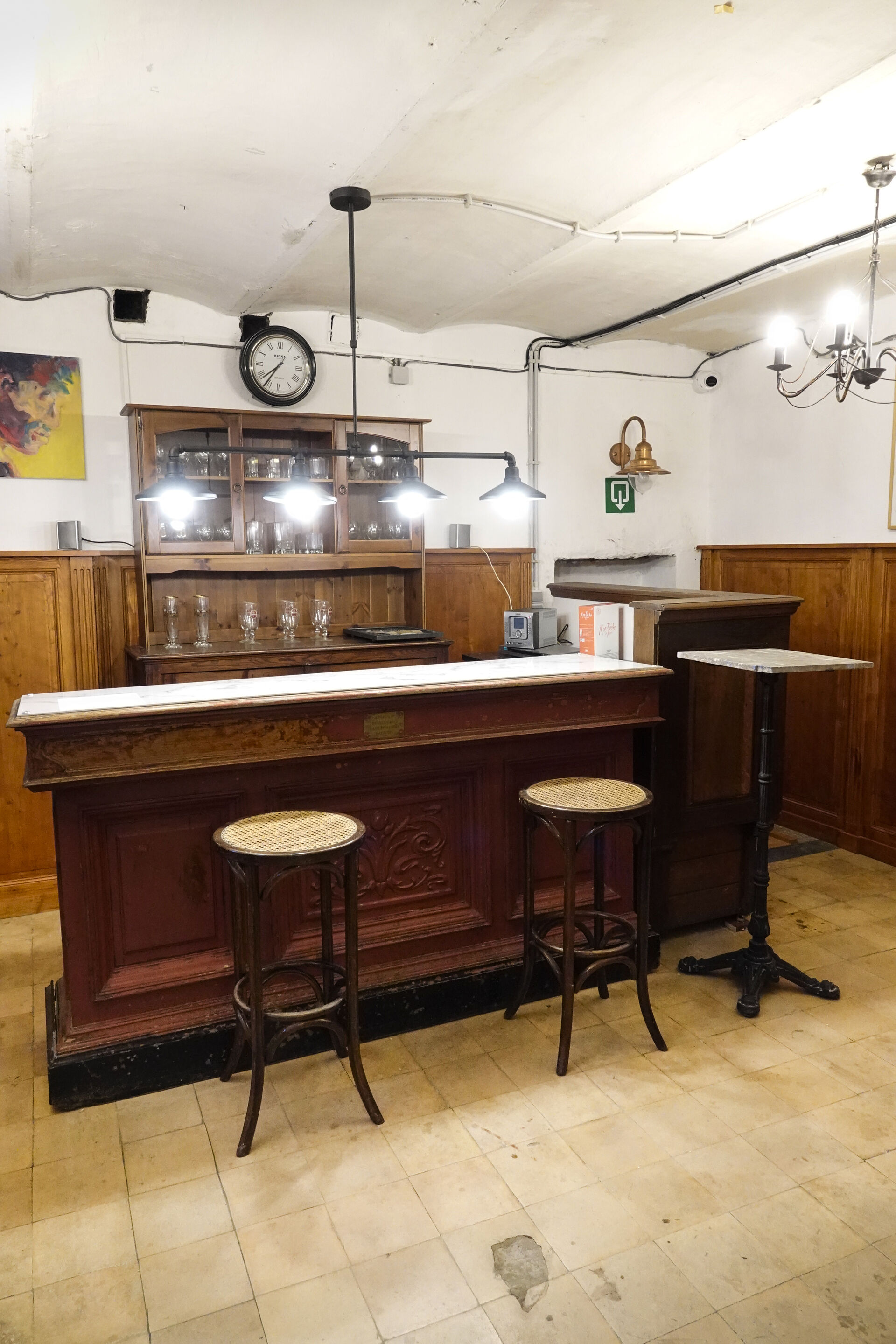
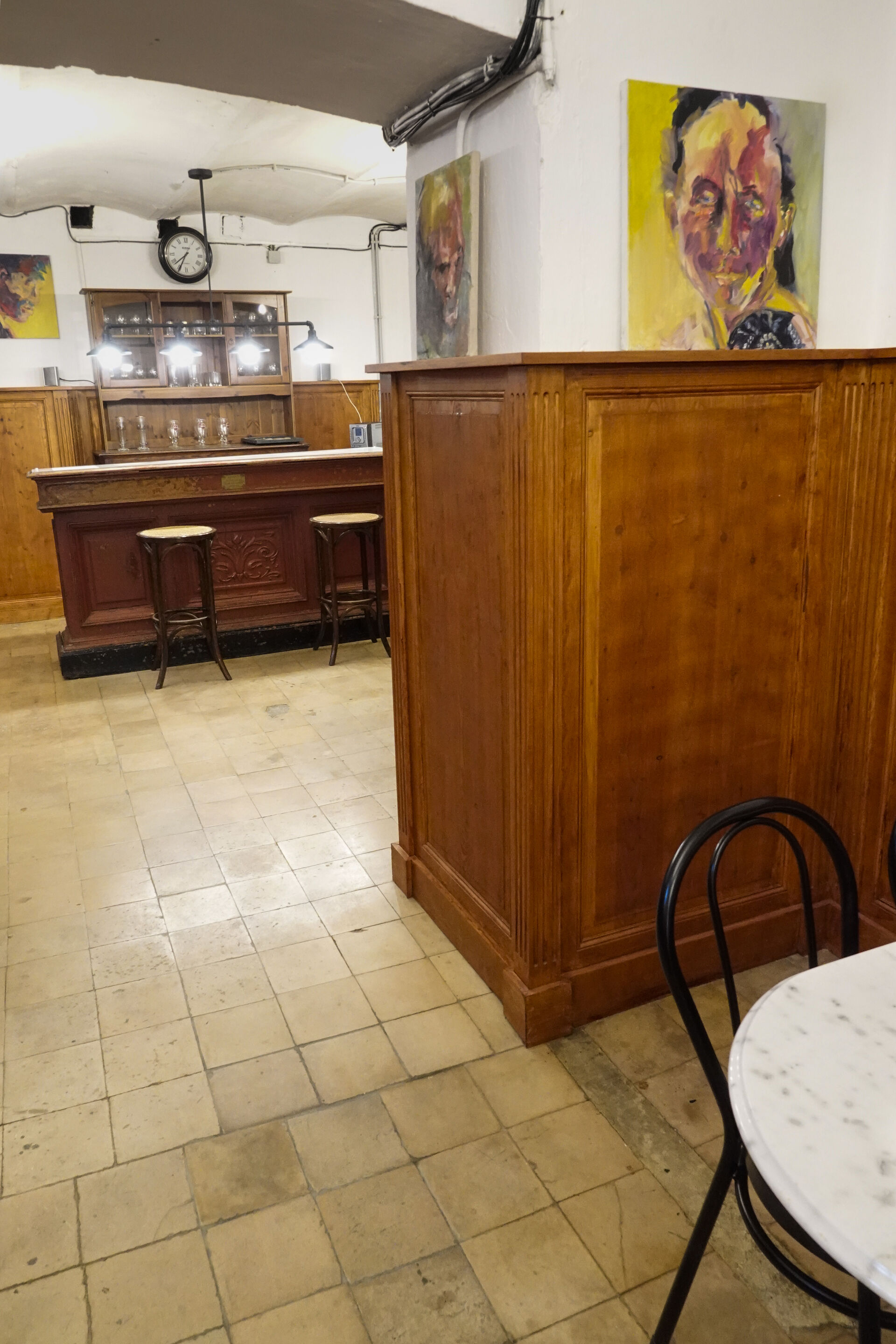
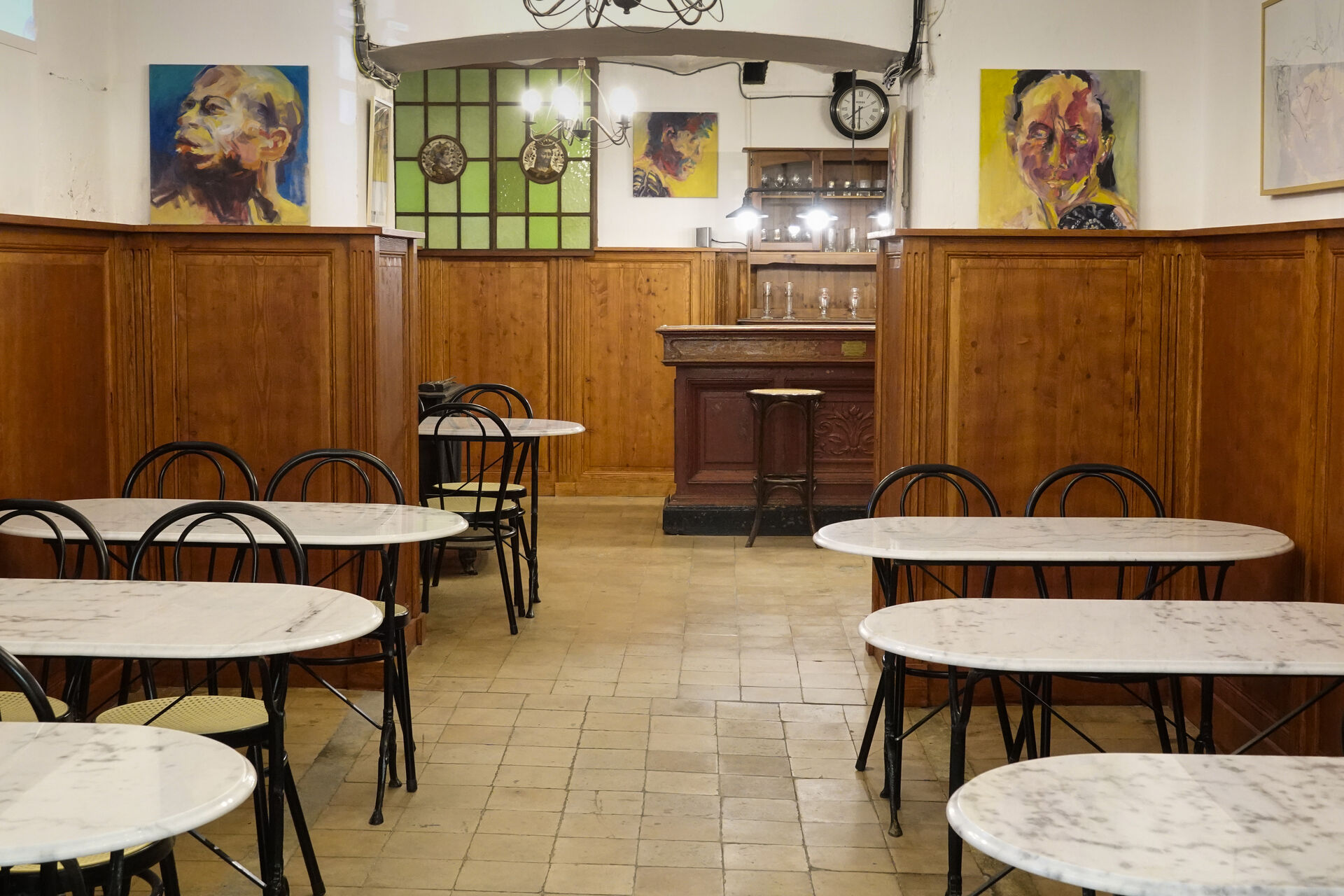
Located in the heart of Halle, Jonker 1674 breathes the atmosphere of bygone days. Our beer cellar has been carefully restored to preserve its authentic details, making every visit a journey through time.
The year 1674 refers to the year in which Ignatius Lindemans (°1647-1720) applied for letters of nobility from the Spanish King Charles II, which were never granted because they remained unpaid.
This cellar was historically part of the townhouse and of the adjacent faro brewery, built around 1850 by Mr Leopold De Boeck (° 1846 - +1906), Mayor of the city of Halle (see photo), on the plot next to the newly built Bergensesteenweg, on land belonging to the former family farm and brewery De Vrede, located further back parallel to the Zenne river.


1588 LINDEMANS (Hérent, duché de Brabant).
Issue de Jean Lindemans, originaire de Hérent, charpentier puis fripier, bourgeois d'Anvers, qui y épouse Anne de Vorstere le 10 novembre 1588. Son fils Jean Lindemans, mort en 1664, marchand et fripier, achète plusieurs maisons à Anvers. Son petit-fils Ignace Lindemans (1620-1651), licencié en droit, est clerc de notaire dans la même ville.
Ignace Lindemans (1647-1720), clerc de notaire à Bruxelles, est greffier des nouvelles terres de Gaesbeek. Son fils Jean Lindemans (1673-1733), licencié ès lois, est procureur et lieutenant-mayeur à Dilbeek. Son autre fils Pierre Lindemans (1677-1750) est maître d'école à Ledeberg sous Pamel. Son autre fils François Lindemans (1699-1779) est bailli de Vlesenbeek, Gaesbeek, Elingen, Oudenaken et Berchem-Saint-Laurent. Son petit-fils Pierre Lindemans, mort en 1784, est notaire à Bruxelles et Dilbeek. Son autre petit-fils François Lindemans (1752-1830) est cultivateur et brasseur à Vlesenbeek. Jan Lindemans (1888-1963), docteur en philologie germanique, directeur de l'Institut de Laeken, fondateur de la revue Eigen Schoon en de Brabander, a publié de nombreuses généalogies brabançonnes à consulter avec prudence. Son fils Jan Lindemans (1921-1987), docteur en droit, est recteur de la faculté universitaire Sint-Aloysius à Bruxelles. Son autre fils Paul Lindemans (1921-1993) est médecin à Opwijck. Son autre fils Leo Lindemans, né en 1923, avocat à Bruxelles, sénateur, continue l'œuvre généalogique de son père.
Notaires à Bruxelles, Dilbeek et Hal aux XVIII° et XIX° siècles, professeurs et directeurs d'école à Ledeberg et Opwijck du XVIII° au XX° siècle.
A consulter:
Leo Lindemans, Geschiedenis van de familie Lindemans. 1370-1980, 1980.
Bron: Anciennes familles de Belgique - jean-Francois HOUTART


Descendants of Mayor De Boeck gathered in HALLE
Some twenty descendants of former Halle mayor Leopold De Boeck gathered in their ancestral home, built by Leopold in the mid-19th century, at Bergensesteenweg 67 – 69 in Halle.
The elders wanted to introduce their own descendants to the historic building of their (great-)(great-)(great-)grandfather. The current mayor, Dirk Pieters, came to personally greet the family of his former colleague.
At the end of 1890, Leopold De Boeck was elected as a new liberal member of the municipal council. At the inaugural meeting of the new council members on 1 January 1891, the council proposed the appointment of Leopold De Boeck as mayor. He held this office until 1895. From 1896 to 1900, De Boeck moved to the opposition benches. After a new election victory for his party, he was appointed mayor for the second time by Royal Decree of 5 July 1901. He remained mayor until his death on 15 November 1906.
Leopold De Boeck also came from a family of brewers, who brewed in Halle from 1700 to 1955. Leopold De Boeck was also the first vice-chairman of Halattraction and was thus present at the birth of the Halle carnival.
Leopold De Boeck


Biography of de Waepenaert
Knight Jan IV Marijn de Waepenaert d' Erpe (1663 – 1724) was, among other things, responsible for supplying the allied armies in their war against the French during the War of the Spanish Succession (the claim to the Spanish crown).
In May 1707 he was appointed High Alderman of the Land of Dendermonde, responsible for allocating the taxes for the sovereign. In 1713 he acquired the lordship of Erpe.
Emperor Charles VI (father of the Austrian Empress Maria Theresa) granted him the hereditary title of Knight of the Holy Roman Empire. He acquired a great many revenue-producing estates.
Knight Karel de Waepenaert d' Erpe (1691 – 1735), son of Jan Marijn, was admitted in 1715 as a lawyer at the Great Council of Mechelen, founded by Philip the Handsome in January 1504 as the supreme court of the whole of the Low Countries and seated in Mechelen. From 1740 he was deputy procurator-general, councillor and master of requests at the Great Council of Mechelen. On 29 May 1724 he was appointed councillor at the same Great Council by Emperor Charles VI. Through his father Marijn he inherited a great deal of real estate.
Knight Karel de Waepenaert de Kerrebrouck (1749 -1794) was born in the garrison town of Dendermonde, where he also became alderman and later mayor. He was also a deputy in the States of Flanders.
He inherited a great many estates from his father, and through his marriage in 1776 to a distant cousin, de Waepenaert de Kerrebrouck, he also acquired the title Lord of Kerrebrouck. He was captain-lieutenant in the imperial regiment from 1768.
His descendant Jonkvrouw Constance de Waepenaert de Kerrebrouck (1860-1935) became our great-grandmother through her marriage in 1886 to Alois Lindemans. As a result, this sole surviving Waepenaert line lives on through the Lindemans family, with the three helmeted Waepenaert heads in their current heraldic coat of arms.
Source: State Archives of Belgium, Inventory 705, publication 6354 (2023)


The area
The area "Buyten de Bergpoort" was an industrial growth hub outside the city gate after the construction of the Brussels-Charleroi canal. In the 18th-19th century it was still under the guardianship of the Duke of Arenberg from Enghien, who settled a neighbourly dispute here about the salinisation of the adjacent Groebbegracht ("Peace of Arenberg"). The current owners (the Lindemans family) have ties to the brewing past (Winderickx gueuze brewery in Dworp, Herisem mill, Winderickx(plein) in Alsemberg, Lindemans gueuze in Vlezenbeek, de Waepenaert in Grimbergen,...).
The De Boeck residential complex (monitored by Monumentenwacht) has been the setting for several TV productions (Witse, Pascale Naessens,...). Jonker 1674 truly breathes the atmosphere of times gone by.
The year 1674 refers to the year in which Ignatius Lindemans (°1647-+1720) applied for letters of nobility from the Spanish King Charles II, although the title of Jonker was never granted because the royalties for it always remained unpaid.

Experiences
"It was with great interest that I learned that you had restored my ancestor's beer cellar and that you can make it available for private family parties or occasions."
Patrick deboeck (Ambassador)
Events


Impressions
View our photos and videos to get an impression of the atmosphere and ambience at Jonker 1674. Get inspired and plan your visit today! (Photos: Willy Everaert)
Frequently asked questions
Do you have a question about Jonker 1674? From reservations to catering, from private hire to our history: here you will find the answers to the most frequently asked questions. Is your question not listed? Feel free to contact us.
- What is Jonkers 1674 in Halle?
-
Jonkers 1674 is a historic beer cellar located in the heart of Halle, Belgium. The carefully restored cellar offers a unique and atmospheric setting for private parties, events and cosy evenings. The name refers to 1674, the year in which Ignatius Lindemans applied for letters of nobility from the Spanish King Charles II.
- Can you rent Jonkers 1674 for a private party in Halle?
-
Yes, Jonkers 1674 can be hired exclusively for private parties and events in Halle. The historic beer cellar accommodates up to 60 people and creates an unforgettable atmosphere. Guests may bring their own catering or we can provide it, which makes the cellar extra flexible for any type of event.
- What events are organised at Jonkers 1674?
-
Jonkers 1674 regularly organises live funeral receptions, exhibitions, Chrysostomos, themed evenings, baby showers, birthdays and other convivial events.
- How many people can Jonkers 1674 in Halle accommodate?
-
The historic beer cellar of Jonkers 1674 in Halle has a capacity of up to 60 people. This makes the venue ideal for intimate parties, small corporate events and convivial group evenings in a unique historic setting.
Contact
contact-block.section.addresses.title
contact-block.section.phone.title
02 356 26 24
Huren? Huurvoorwaarden op maat en op afspraak Gebruik enkel overdag 09:00 tot 12.00 uur.
contact-block.section.email.title
